The Invisible Gap: Addressing the Mental Health Crisis in Youth and Seniors Through Connection
The Invisible Gap: Addressing the Mental Health Crisis in Youth and Seniors Through Connection
![[HERO] The Invisible Gap: Addressing the Mental Health Crisis in Youth and Seniors Through Connection](/blog/invisible-gap-cover.webp)
Here’s a strange truth about the world we live in today: we’ve never been more connected, yet we’ve never felt more alone.
Scroll through any social media feed, and you’ll see thousands of posts, likes, and comments flying around every second. We have group chats, video calls, and apps for literally everything. But somewhere along the way, we lost something important, real, meaningful human connection.
And the two groups feeling this loss the hardest? Our youth and our seniors.
It’s an invisible gap that most people don’t talk about. On one side, you have young people drowning in digital noise but starving for authentic relationships. On the other, you have older adults with decades of wisdom, stories, and love to share, sitting in silence because the world has seemingly moved on without them.
This isn’t just sad. It’s a mental health crisis hiding in plain sight.
The Youth Mental Health Crisis: Connected But Lonely
Let’s talk about young people first.
Today’s youth are the most digitally connected generation in human history. They can reach anyone, anywhere, anytime. They have followers, subscribers, and friend counts in the hundreds or thousands.
So why are they lonelier than ever?
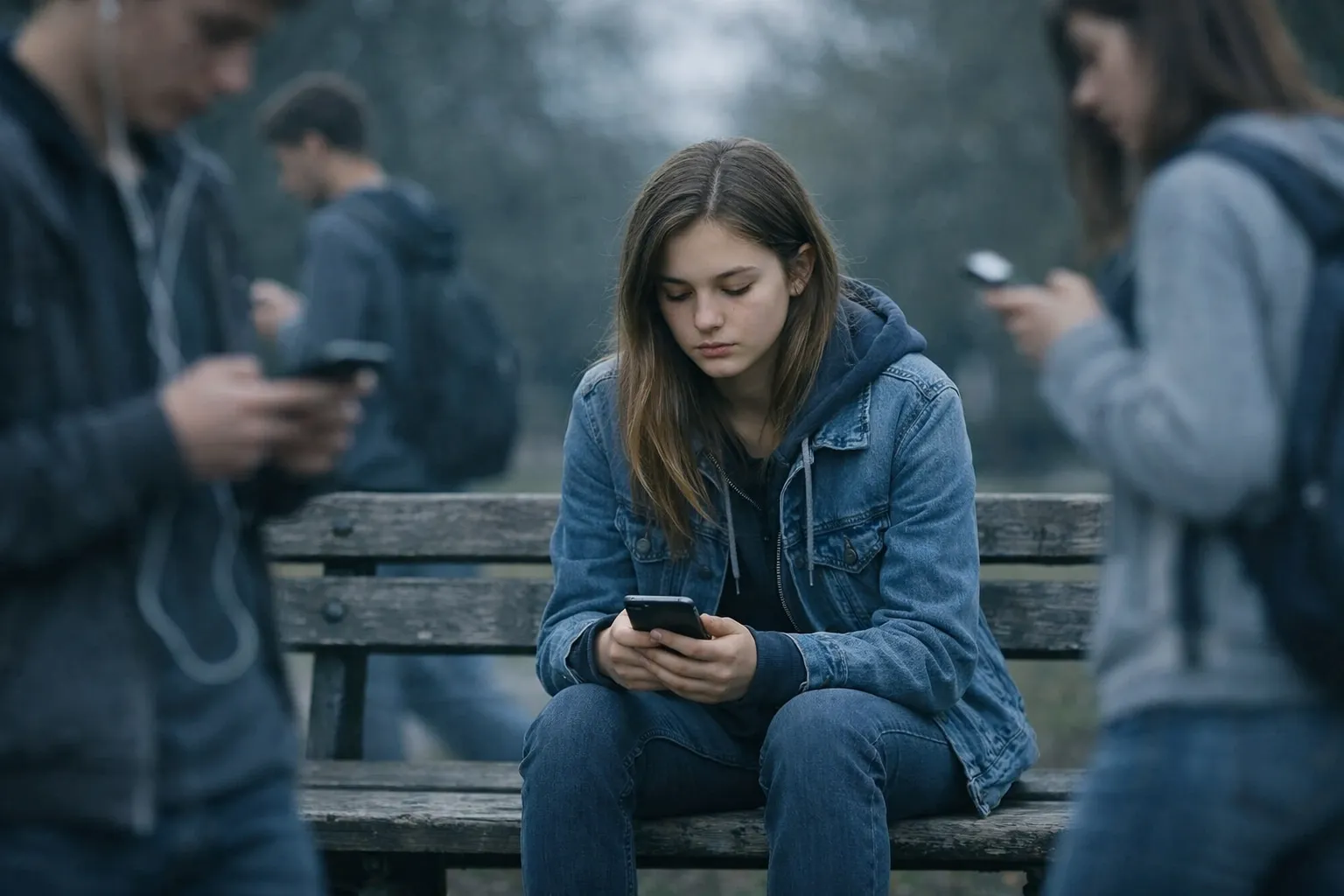
Research tells us that mental health problems among young people are widespread and growing. Suicide is now a leading cause of death among adolescents. Rates of anxiety, depression, and self-harm have skyrocketed, especially since the COVID-19 pandemic disrupted education, employment, and social development for millions of young people.
But here’s what makes this crisis truly invisible: many teens hide their struggles. They show up to school looking happy or high-achieving while silently battling anxiety and depression. Parents and teachers often dismiss warning signs, withdrawal, irritability, mood swings, as “typical teenage behavior.”
The constant pressure of academic performance, social comparison, and screen time creates a perfect storm. Young people are comparing their real lives to everyone else’s highlight reels. They’re seeking validation through likes instead of conversations. They’re texting instead of talking.
And somewhere in all that noise, they’re losing the ability to form deep, meaningful connections with the people around them, especially people outside their own age group.
Youth volunteer opportunities exist everywhere, but many young people don’t know where to start. They want to make a difference but feel overwhelmed or disconnected from their communities. They’re searching for purpose, and often, they’re searching alone.
The Senior Isolation Crisis: Wisdom Without an Audience
Now let’s flip to the other side of the gap.
Our seniors: parents, grandparents, great-grandparents: have lived through things most of us can only imagine. They’ve survived wars, economic crashes, technological revolutions, and personal triumphs and tragedies that shaped who they are.
They have stories. They have perspective. They have wisdom.
But too often, they have no one to share it with.
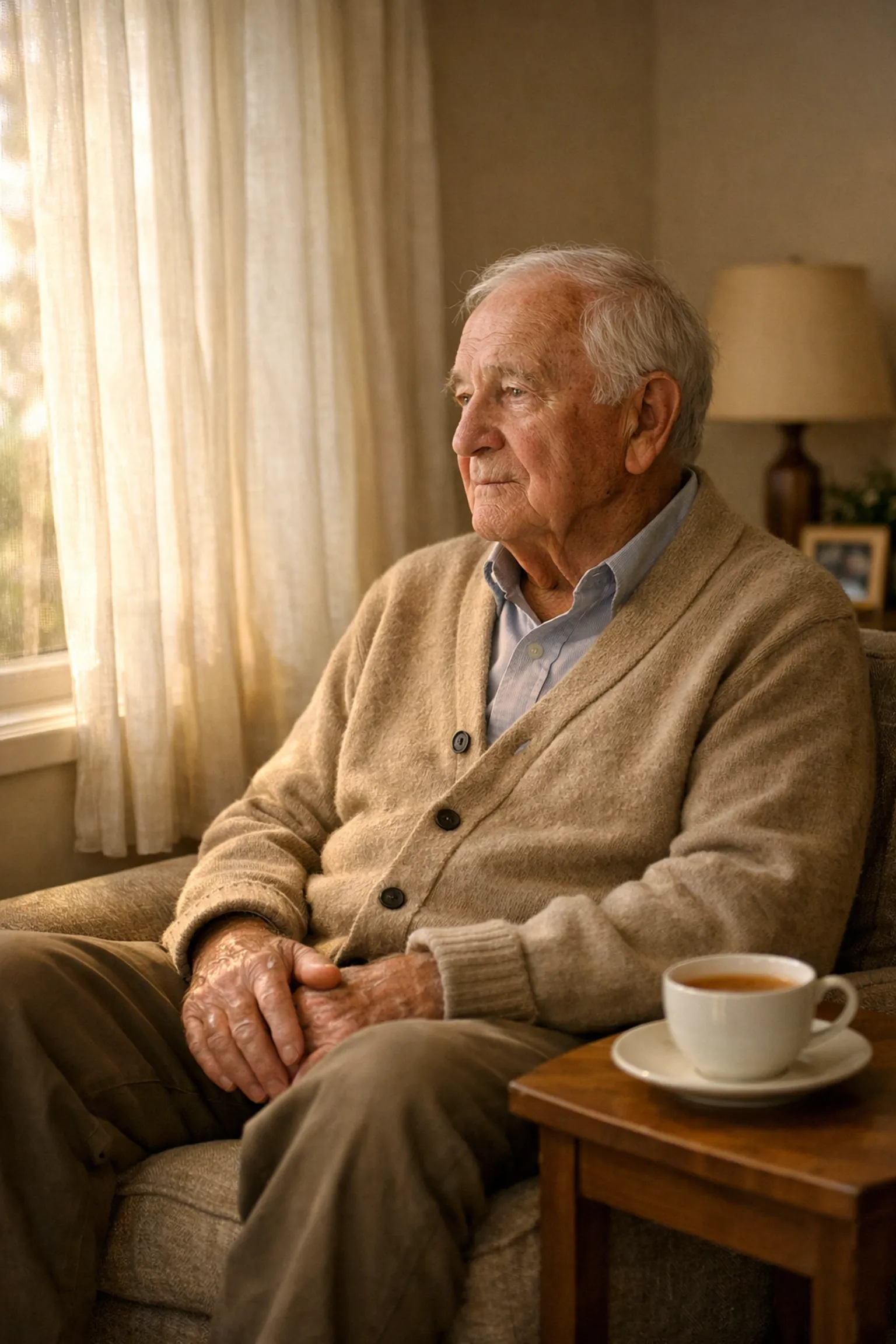
Loneliness among older adults is a genuine health crisis. As people age, they lose spouses, friends, and family members. They retire from jobs that gave them purpose and community. Many end up in assisted living facilities or simply isolated in their own homes, watching the world speed by through a window.
Studies show that loneliness is as harmful to health as smoking 15 cigarettes a day. It increases the risk of heart disease, dementia, and depression. And for many seniors, the deepest wound isn’t physical: it’s the feeling that they no longer matter.
Senior volunteer opportunities can help combat this isolation, but many older adults don’t know these options exist: or they feel like they’re “too old” to contribute. The truth is, they have more to offer than they realize.
The Invisible Gap Between Generations
Here’s the thing that breaks my heart: these two groups need each other desperately, but they rarely interact.
Think about it. When was the last time a teenager had a real conversation with someone over 70 who wasn’t a family member? When was the last time a senior felt truly heard by a young person?
We’ve created a society where generations live in silos. Kids go to school with kids. Adults work with adults. Seniors live in communities designed for seniors. Everyone stays in their lane.
But human beings aren’t meant to live this way. Throughout most of human history, multiple generations lived together, learned from each other, and supported each other through life’s challenges.
We’ve lost that. And both generations are paying the price.
Young people are missing out on perspective, patience, and the kind of wisdom that only comes from lived experience. Seniors are missing out on the energy, curiosity, and hope that young people naturally bring.
This invisible gap isn’t just a social inconvenience: it’s fueling a mental health crisis on both ends.
Why Connection Is the Answer
Here’s the good news: we can fix this. And the solution is simpler than you might think.
Connection.
Not the shallow, swipe-right, double-tap kind of connection. Real connection. The kind that happens when two human beings actually see each other: when they share stories, fears, hopes, and encouragement without judgment.
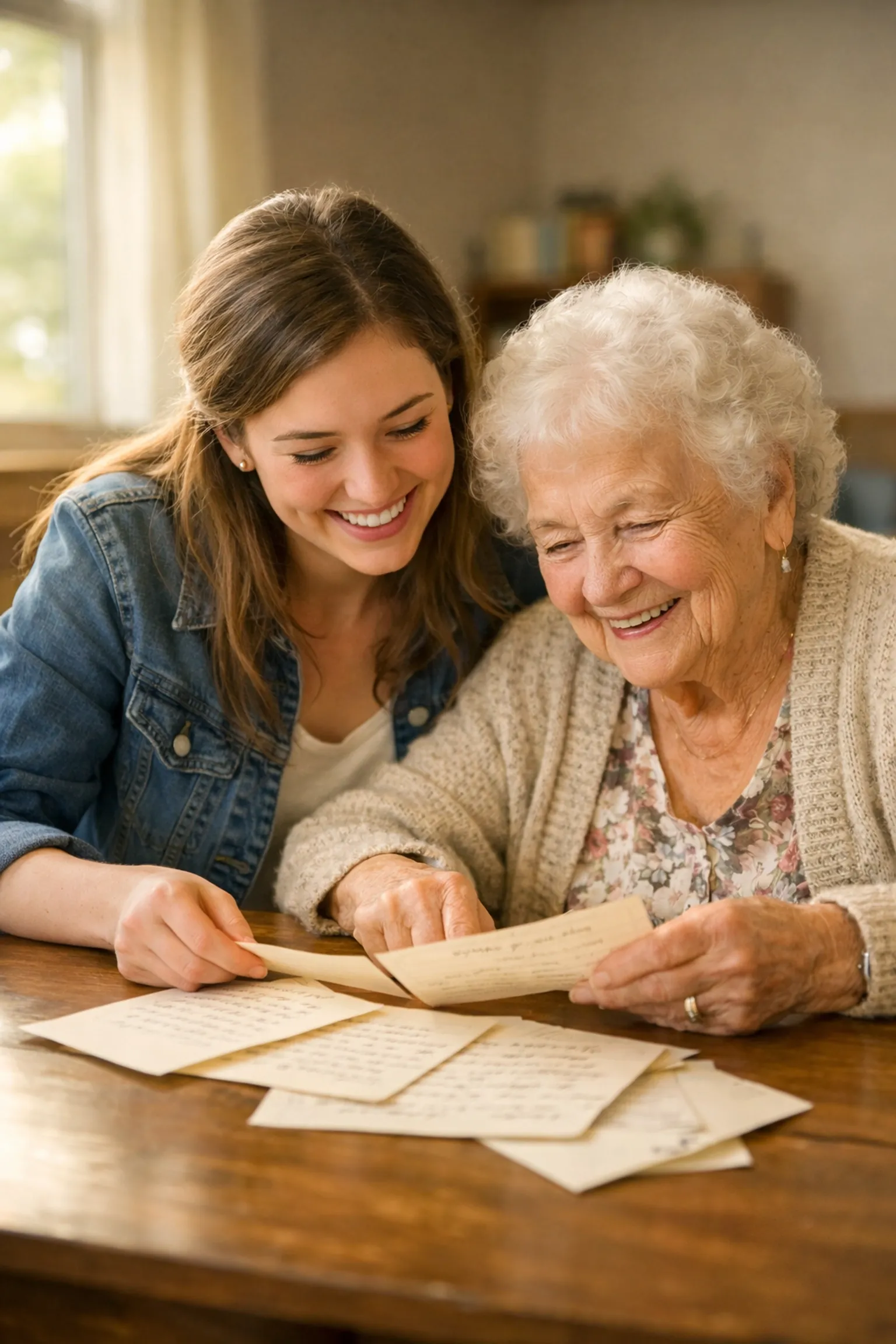
Research consistently shows that building trusted relationships is one of the most effective ways to address mental health challenges in young people. Programs that center youth voice and foster genuine connections: rather than just providing services: help young people envision their futures and find their footing.
The same is true for seniors. Integrated community approaches that combine practical support with activities fostering social connections are incredibly effective at reducing isolation and improving mental health outcomes.
When you bring these two groups together, something magical happens. Young people gain mentors, role models, and a sense of perspective. Seniors gain purpose, energy, and the knowledge that their lives and experiences still matter.
Everyone wins.
Future Opportunities to Bridge the Generational Gap
This is exactly why we are developing our upcoming intergenerational connection initiatives.
Tinne Holly Larenas Foundation Inc. is focused on creating future volunteer opportunities focused on bridging the generational gap in ways that feel meaningful, accessible, and low-pressure.
These efforts may include simple, thoughtful ways for youth and seniors to share encouragement, stories, questions, and lived experience with one another over time.
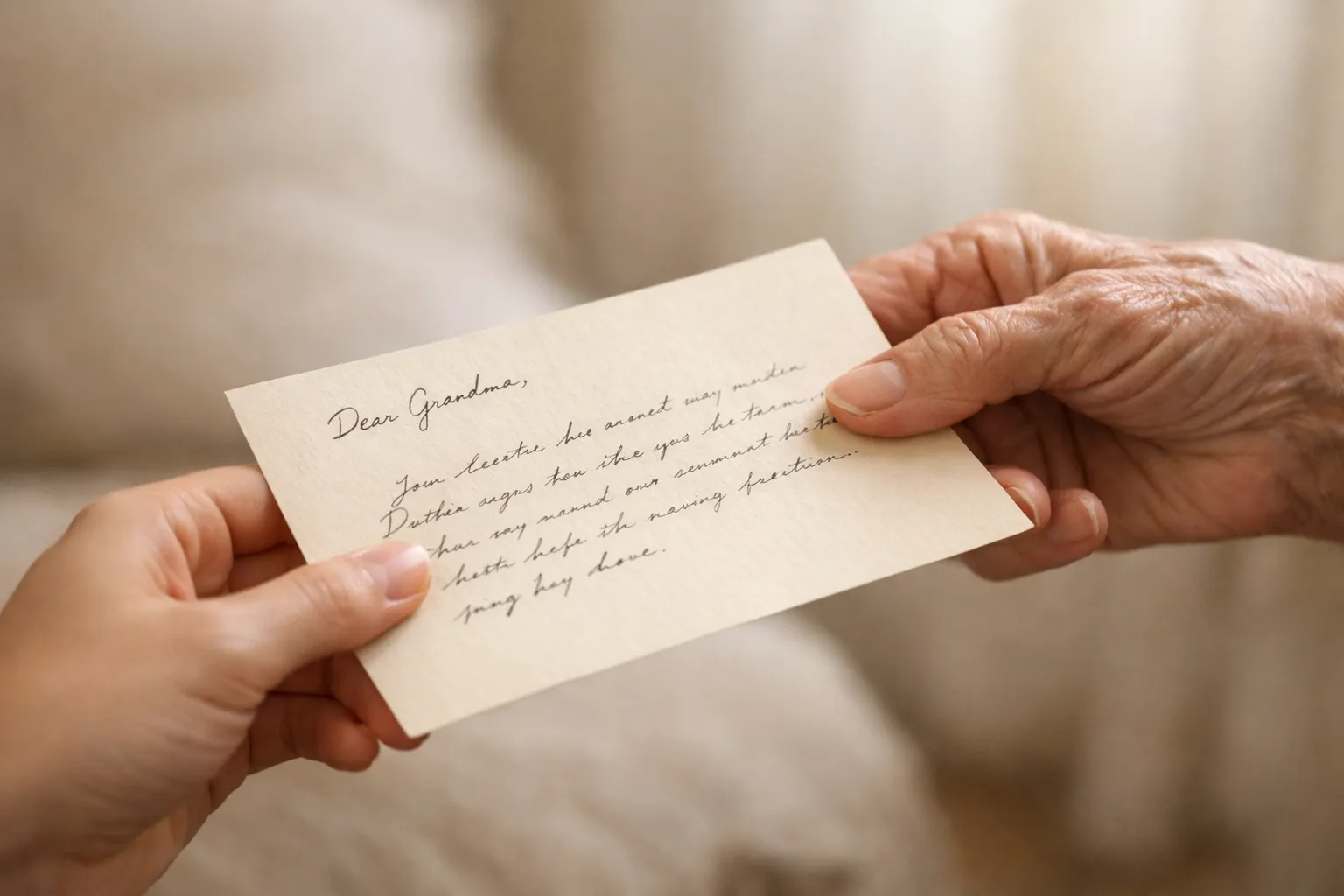
The goal is to create space for honest, human connection without pressure to perform or impress.
We intend to support these future opportunities with clear coordination, appropriate safeguards, and a positive, respectful experience for participants.
For young people looking for community service opportunities or volunteer programs for students, our upcoming intergenerational connection initiatives can offer a meaningful way to serve while building empathy and purpose.
For seniors, these future volunteer opportunities focused on bridging the generational gap can create space to feel heard, valued, and connected to the next generation.
How You Can Get Involved
Whether you’re a student, a teacher, a senior, a caregiver, or someone who runs a community organization, there may be a place for you in our upcoming intergenerational connection initiatives.
For individuals: Explore future volunteer opportunities focused on bridging the generational gap.
For schools and youth groups: Partner with us to help shape meaningful youth volunteer opportunities that build empathy, writing skills, and intergenerational understanding.
For senior centers and assisted living communities: Connect with us to learn about future opportunities designed to help residents feel more engaged with the next generation.
For community organizations: Help us spread the word and support future efforts that connect more people across the generational divide.
Visit tinneholly.org to learn more about our programs and upcoming events. For main office support, call +1 (404) 334-5782.
Closing the Gap, One Letter at a Time
The invisible gap between our youth and seniors didn’t appear overnight, and it won’t disappear overnight either. But every letter written, every story shared, and every connection made chips away at the wall between generations.
We can’t solve the mental health crisis with an app or a quick fix. But we can start by simply reaching out: by reminding a lonely teenager that someone cares, and by showing an isolated senior that their voice still matters.
That’s the power of connection.
And it starts with you.
Disclaimer: This content is for informational and inspirational purposes only and does not constitute legal, financial, or medical advice. Tinne Holly Larenas Foundation Inc. is a 501(c)(3) non-profit organization.